

-
Intelligent Venice
The oldest city of the futureSpecial Project by the Venice Sustainability Foundation (VSF)
for the Biennale Architettura 2025
Tesa dell'Isolotto
Darsena Grande dell'Arsenale, VeneziaMay 10 - November 23, 2025
-
Millenary time
Venice’s Lagoon is an ephemeral natural element whose presence in our time is due to the direct action of human society
-
Regulated lagoon
The defense of Venice from floods has not aimed to isolate the city from the sea, but rather to apply intelligent regulation to the natural tidal fluctuations, so as not to disrupt the lagoon's ecosystem services
-
Anthropized nature
The Venetian Lagoon is the result of centuries-long interaction between natural processes and human activity. Accurate scientific knowledge of natural dynamics forms the foundation for its sustainable management.
-
Venice of the people
Today, the Venetian civitas is expressed through the interaction of nearly a million individuals, involving both lagoon settlements and mainland settlements within a single functional area
-
Urban form
The urban form of Venice has evolved while preserving some original insights and achievements, which remain legible to this day
-
Venetian Abacus
Venice as a technical and cultural system, the outcome of continuous collective invention, where architecture, engineering, and the environment are uniquely intertwined
-
Actors of today and tomorrow
The ongoing and developing projects led by a diverse range of public and private stakeholders operating in the city
the project
A living laboratory of innovation and adaptation
Venice is the complex result of multiple intelligences
The exhibition
The exhibition narrates an extraordinary millennia-old project, a history of medieval inventions and contemporary technologies, interventions in nature and human settlement, and survival and resilience strategies through which the city has, for centuries, succeeded in thriving in a hostile environment, through the constant exercise of intelligence.
The itinerary
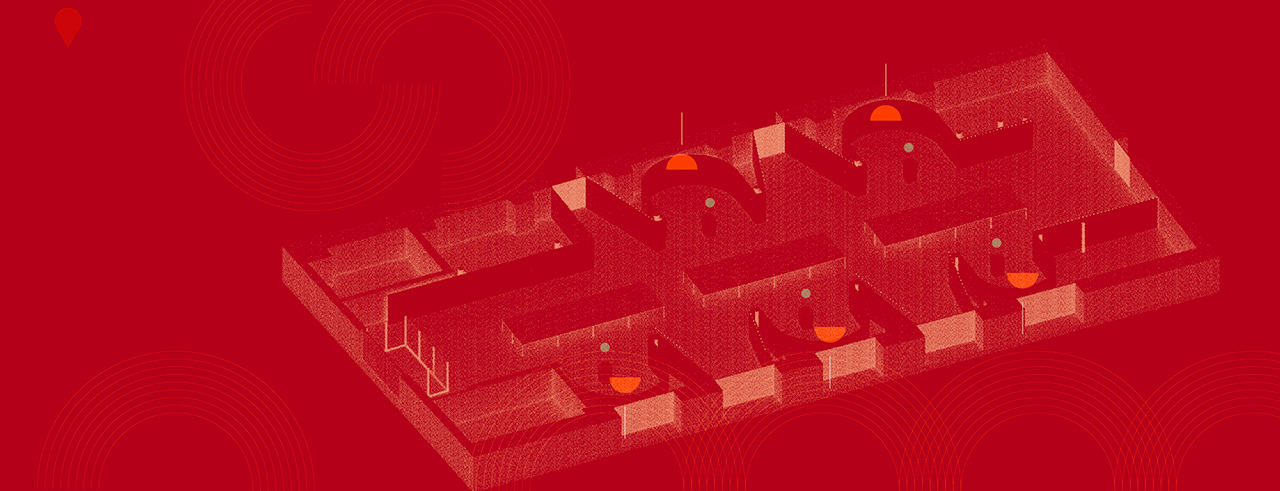
The installation covers an area of 500 square meters and is designed with a series of apses, vertical panels, and a central spine represented by a long table. It includes over 5,000 archive images, over 1,000 historical maps from the most authoritative databases, over three hours of video projections, and five interactive multimedia panels.
Five "Apses of intelligences" offer an immersive journey into the history and management of the lagoon and the city: "Millenary Time", "Regulated Lagoon", "Anthropized Nature", "Venice of the People", "Urban Form" will allow the public to explore the "intelligent" evolution of the city and its lagoon – which, for a long time, acted as its walls – along with the inventions and strategies developed for its use, and for the protection and enhancement of its cultural heritage.
The Venetian Abacus table, which extends 30 meters along the central axis of the Tesa, is dedicated to Ingenuities and represents the objects, tools, mechanisms, and technologies with which Venetians turned an uninhabitable place into one of the most important testimonies of global urban history. The "Actors of today and tomorrow" section animates the connecting walls between the Apses of Intelligences. It presents visions and projects of various public and private actors operating in the city.
exhibition
Multiple levels of interpretation, designed to offer a differentiated experience
Upon entering the Pavilion, visitors will find themselves immersed in a basilica-like architectural space, with a rhythmic wall structure created through a sequence of apses and vertical panels.
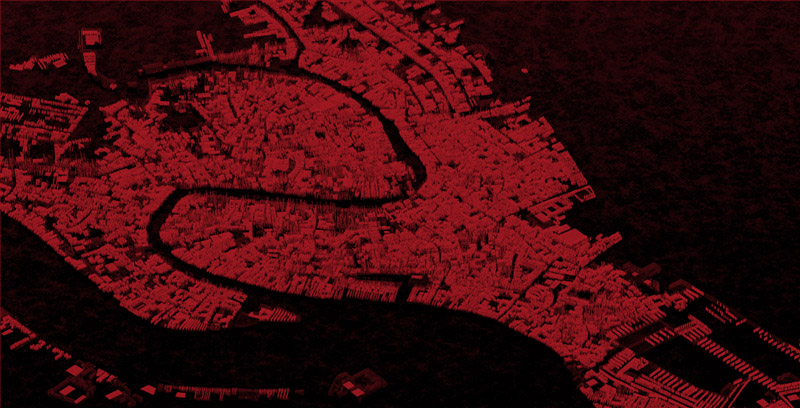
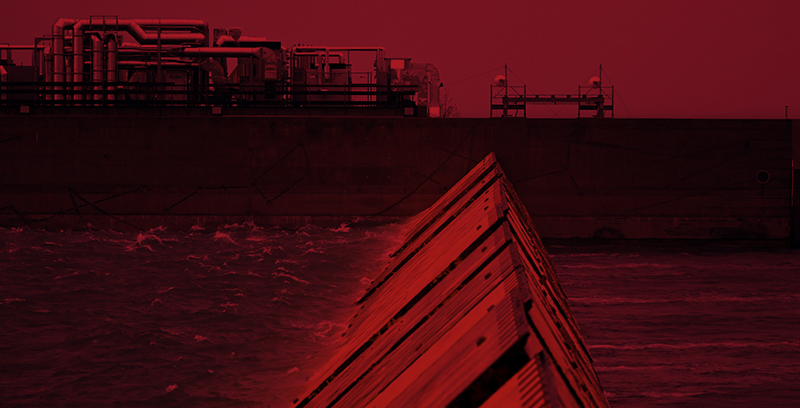
present the processes of formation and management— both historically and in the present—of the city and the lagoon
dedicated to the ingenuities, showcases the objects, tools, mechanisms, and technologies through which Venetians have succeeded in transforming an apparently uninhabitable place into one of the most important examples of global urban history
presents ongoing and developing projects carried out by an equal number of actors—both public and private—who are active in the city